Boy Cookie with Pencil: A Craft Fair Review
As an experienced embroidery designer preparing for the upcoming weekend craft fair season, I spend hours evaluating machine applique embroidery designs to determine which ones will drive sales and which will gather dust on the table. Today, I am reviewing a specific digital asset titled Boy Cookie with Pencil. This design falls squarely into the Back To School category, making it a timely contender for late summer and early autumn markets. Before investing time in production, we must assess its visual impact, practical application, and potential as a high-converting handmade product.
First Impressions: Bold, Cute, and Commercially Viable
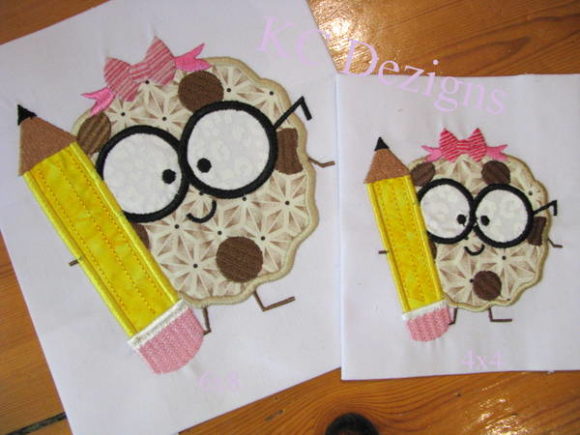
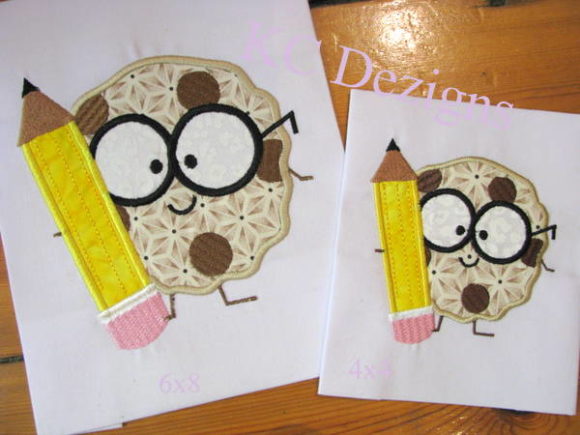
The first thing that strikes me about the Boy Cookie with Pencil is its immediate charm. In the world of commercial embroidery, cuteness sells, but it must be paired with clarity. This design feels playful and whimsical, perfectly capturing the spirit of childhood learning. The concept of a cookie character holding a pencil is inherently relatable for parents looking for school supplies or gifts. It does not feel rustic or farmhouse; instead, it leans towards a modern, sweet aesthetic that appeals to families and teachers alike.
When scanning a booth display, customers often make split-second decisions based on visual appeal. The Boy Cookie with Pencil stands out because it combines two strong symbols: comfort food and education. This duality creates a unique selling point. Unlike generic text-based designs, this illustration offers a narrative that draws the eye. For an Etsy seller or boutique maker, this type of imagery translates well into a brand identity focused on fun, creativity, and back-to-school readiness.
Product Placement: Where Does This Design Shine?
Not every design works on every item. As I plan my table layout, I evaluate how the embroidery file performs across different substrates. Here is my breakdown of where the Boy Cookie with Pencil will likely succeed:
- Tote Bags: This is arguably the best canvas for this design. A large format tote bag allows the applique details to pop without feeling cramped. Parents love carrying these bags for school lunches or art supplies. The contrast of the cookie against a neutral cotton background creates a striking tote bag design that photographs beautifully for online listings.
- Kitchen Towels and Aprons: While primarily a school theme, the "cookie" element makes this suitable for kitchen items. An apron embroidery featuring this character would be a hit for teacher appreciation gifts or baking-themed classroom parties. However, one must consider the texture of tea towel embroidery; terry cloth can sometimes obscure fine details.
- Embroidered Patches: Creating patches from this design is a smart strategy for small shop owners. Patches are low-risk inventory items that can be sold individually or attached to denim jackets and backpacks. The applique nature of the design adds dimension, making the patch look premium rather than flat.
- Caps and Small Pouches: These items require careful consideration. The curved surface of a cap can distort the straight lines of the pencil if the hoop tension isn't perfect. Similarly, small pouches may compress the design too much, losing the character's expression.
Production Realities: Stitch Density and Fabric Texture
As a professional, I know that a beautiful digital embroidery file on a screen does not always translate perfectly to thread. Since this is a machine applique design, the stitch density is critical. Applique involves stitching fabric onto fabric, which adds bulk. If the Boy Cookie with Pencil has dense satin stitches around the edges, it could become stiff on thick fabrics like denim or heavy canvas.
I strongly advise testing the design on scrap fabric before committing to a batch run. Check the stitch density to ensure there are no gaps in the coverage, especially around the pencil and the facial features of the cookie. Tiny details can get lost if the design is scaled down too much. For instance, if you attempt to put this on a small button or a tiny coin purse, the eyes and mouth might merge into a single blob of thread. Always verify the minimum recommended size in your software before hooping.
Fabric texture also plays a massive role. On a smooth cotton blend, the applique will lay flat and crisp. On a textured waffle weave or a looped towel, the needle might struggle to pierce consistently, leading to puckering. Using the right stabilizer is non-negotiable here. A tear-away stabilizer might not provide enough support for the applique layers, so a cut-away or a heavy-duty mesh is likely required to maintain the shape of the cookie and the pencil.
Marketing Strategy: From Booth Display to Online Sales
For the craft fair booth, visual merchandising is key. I recommend displaying the finished product on a variety of items to show versatility. Hang a few embroidered aprons at eye level and stack the tote bags prominently. Customers need to see the depth of the applique work to appreciate the quality. The tactile nature of the raised fabric invites touch, which increases buyer engagement.
For online platforms like Etsy, photography is everything. You cannot rely solely on a printable mockup. While mockups are useful for initial listings, real photos of the stitched items build trust. Capture close-ups of the thread colors and the applique edges. Show the design on both light and dark backgrounds if possible, though this design likely requires a light base to make the cookie color stand out. Dark fabrics might absorb the lighter thread colors used for the face, reducing visibility.
This design also offers excellent potential for repeat purchases. Because it is seasonal (Back To School), you can create urgency by marketing it as a limited-time collection. Once the season passes, you can pivot the same design assets for Valentine's Day (cookies) or Teacher Appreciation Week, extending the lifecycle of your investment.
Designer Checklist: Essential Steps Before Production
Before you start stitching your first batch of craft fair products, run through this checklist to ensure professional results:
- Test Stitch: Always run a test on the exact fabric you intend to sell. Do not skip this step.
- Check Thread Contrast: Ensure the thread colors chosen for the outline and details contrast sharply with the applique fabric and the base material.
- Verify Hoop Size: Confirm that your machine's hoop can accommodate the full width and height of the design without distorting the image.
- Licensing Review: Double-check the license terms. Are you allowed to sell finished goods? Some embroidery files restrict commercial use unless a specific upgrade is purchased.
- Create Mockups: Produce at least one physical sample for each product type (tote, patch, towel) to serve as a reference for your team or customers.
- Inspect Spacing: If adding text like "School Ready" near the cookie, ensure there is enough space so the lettering doesn't crowd the main image.
Final Verdict on Boy Cookie with Pencil
The Boy Cookie with Pencil is a strong addition to any handmade product line targeting the back-to-school market. Its cute aesthetic, combined with the dimensional appeal of applique, gives it a competitive edge over flat printed goods. While it requires attention to detail regarding stabilizers and fabric choice, the potential return on investment is high for those who execute the production correctly.
For creative entrepreneurs, this design represents more than just a pattern; it is a tool for storytelling and connection. When placed on a high-quality tote bag or a charming patch, it transforms a simple commodity into a memorable gift. By focusing on quality control and strategic display, you can turn this machine embroidery design into a standout feature of your next market event.