Smarty Pants: A Craft Fair Designer Review
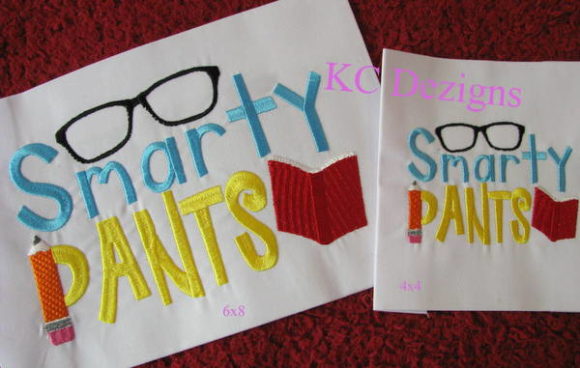
As I sit at my workstation with a stack of unfinished tote bags and a fresh roll of stabilizer, I am evaluating the latest addition to my Back To School collection. The file on my screen is titled Smarty Pants. Before I commit to running this design through my machine for the upcoming weekend craft fair, I need to determine if it has the visual punch to stop a shopper in their tracks or if it will just blend into the background of a crowded booth. This review breaks down exactly how this machine embroidery design performs when translated from a digital file into a tangible, sellable handmade product.
First Impressions: Bold, Cute, and Commercially Viable
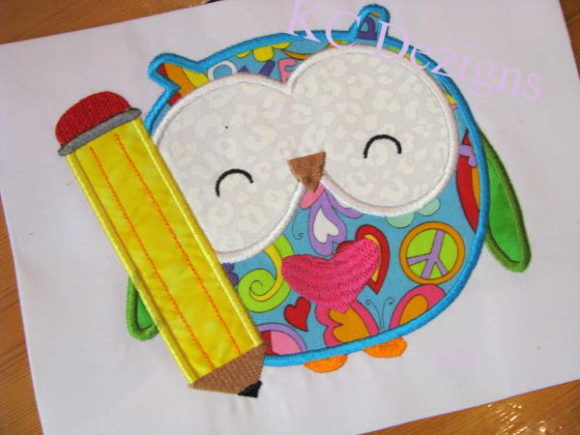
The moment I open the embroidery file, the aesthetic is clear. Smarty Pants leans heavily into the "cute" and "playful" category, which is exactly what parents are looking for when shopping for school gear. It does not feel overly rustic or farmhouse; instead, it has a modern, approachable charm that works well for both young students and adults who enjoy a bit of whimsy. For a craft fair product, this is crucial. Shoppers at these markets are often looking for personality. They want items that feel unique but also instantly recognizable as part of the season.
The description notes that this is a machine applique embroidery design. Applique adds texture and dimension, which significantly increases the perceived value of a finished item. Unlike flat satin stitch designs, applique catches the light differently, making the Smarty Pants motif pop off the fabric. This tactile quality is a major selling point when customers can physically touch your goods at a market table.
Product Versatility: Where Does It Shine?
When preparing my booth display, I have to decide where this design fits best. I visualize Smarty Pants stitched onto a variety of substrates, weighing the pros and cons of each application for a busy production schedule.
- Tote Bags: This is the strongest candidate. A large canvas tote bag provides ample space for the applique layers to breathe. The sturdy fabric holds the stitching well, and the design becomes a focal point that stands out even from across the aisle. As a tote bag design, it signals utility mixed with style.
- Aprons and Tea Towels: For kitchen items, the playful nature of the name makes it perfect for a student's first apron or a fun gift for a teacher. However, tea towel embroidery requires careful attention to the looped texture of the terry cloth. If the design is too small, the loops can interfere with the applique edges. On an apron, however, the smooth cotton twill usually yields excellent results.
- Caps and Patches: While I love the idea of an embroidered patch version of this design, the curved surface of a cap can distort applique shapes if the hooping isn't precise. It might be safer to produce these as iron-on patches first, then offer them as add-ons rather than full caps, reducing the risk of puckering during production.
- Pillow Covers and Market Bags: These are great for bulk production. A pillow cover with this design feels like a cozy, giftable item for a dorm room. Similarly, reusable market bags are high-demand items for eco-conscious shoppers.
Production Reality: Practicality for Batch Making
For any Etsy seller or boutique maker, time is money. When I run a test stitch of Smarty Pants, I am looking for efficiency. Does the design require constant trimming? Are the thread changes excessive? Since this is an applique design, there will be cutting involved between steps. If you are producing a batch of twenty items, you need a workflow that allows you to move quickly without sacrificing quality.
I find that the design works best as a medium-to-large focal point. Attempting to shrink it down for a small accent on a shirt pocket might cause the details to get lost. The text elements, specifically the words "Smarty Pants," need to remain legible. Tiny lettering in applique can sometimes look messy if the backing shows through the gaps. Therefore, I recommend keeping the scale generous to ensure the message lands clearly.
From a commercial embroidery standpoint, the ability to photograph this design for online listings is a huge plus. The contrast between the applique fabric and the base material creates depth in photos. A printable mockup generated from a high-quality photo of the real item will likely convert better than a flat digital rendering because buyers can see the actual texture and thread quality.
Technical Considerations and Designer Notes
Before you start mass-producing, there are critical technical checks you must perform. As a professional designer, I never skip the test run on scrap fabric. Here is what you need to watch for with Smarty Pants:
- Stitch Density and Trimming: Check the density of the tack-down stitches. If they are too sparse, the applique pieces may lift after washing. If they are too dense, the fabric may pucker. Ensure your scissors are sharp for clean cuts between steps.
- Stabilizer Choice: Because this is an applique design, the stabilizer is non-negotiable. Use a heavy-duty cutaway or a specific applique stabilizer that prevents the fabric from shifting during the sewing process. On textured fabrics like towels, you may need an additional layer of tear-away underneath.
- Fabric Texture and Color: Avoid using dark fabrics unless you have a plan for underlay stitching that covers the base color completely. Lighter pastels or crisp whites usually make the colors of the Smarty Pants design pop the most. Be wary of thick fabrics that might make hooping difficult; check your hoop size requirements before buying materials.
- Thread Contrast: Select thread colors that contrast sharply with both the applique fabric and the base garment. This ensures the outline is visible and the design looks professional.
Maximizing Booth Appeal and Sales
When setting up my table for the weekend market, I know that visual consistency drives sales. Having a cohesive line of products featuring Smarty Pants—perhaps a matching set of a tote bag, a lunch sack, and a pencil pouch—creates a "shop the look" opportunity. Customers are more likely to buy multiple items if they see how they work together.
This design elevates the perceived value of your small shop product. A plain tote bag sells for one price; a tote bag with a professionally executed, multi-layer applique design commands a higher price point. It signals craftsmanship. Buyers at craft fairs are willing to pay a premium for items that look hand-finished and detailed.
However, always remember to confirm your licensing terms. Just because you purchased a digital embroidery file does not automatically mean you can sell unlimited finished goods. Check the license agreement included with your purchase to ensure you are compliant with commercial use rights. Selling unauthorized products can damage your reputation and lead to legal issues.
Final Verdict for Creative Entrepreneurs
Smarty Pants is a solid contender for your Back To School inventory. It balances cuteness with the structural integrity needed for durable goods. It photographs beautifully for social media marketing and offers enough visual interest to engage customers at a physical booth. By testing your settings carefully, choosing the right fabrics, and presenting the finished items with confidence, you can turn this embroidery design into a profitable staple for your handmade business. Whether you are a seasoned Embroidery pro or a Cricut crafter expanding into stitching, this design offers a reliable path to creating memorable, high-quality gifts.