Frame Number Five: A Designer's Real-World Review
As a designer who has spent years navigating the delicate balance between digital files and physical thread, I approach every new machine embroidery design with a critical eye. We are not just looking for cute graphics; we are hunting for reliability, stitch clarity, and commercial viability. When I first opened the file for Frame Number Five, my immediate thought was about its potential in the upcoming Back To School season. The concept is deceptively simple: a lucky number framed by decorative elements. However, simplicity in embroidery often hides complexity in execution. Let’s dive into how this design actually performs when you move from the screen to the hoop.
First Impressions: Mood and Visual Personality
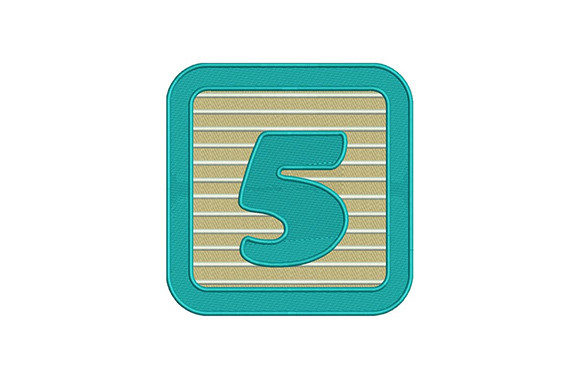
The initial visual impact of Frame Number Five is warm and inviting. It carries a playful energy that feels perfectly suited for children's items or cheerful adult gifts. The layout suggests a balanced composition where the central numeral does not get lost amidst the framing details. In the world of embroidery project planning, this balance is crucial. Too much detail around a small number can lead to registration issues, while too little makes the design feel unfinished. This file seems to strike a middle ground, offering enough visual interest to elevate a basic garment without overwhelming the fabric texture.
From a design asset perspective, the shape feels organic yet structured. It implies that the fill stitch areas will be substantial enough to hide minor fabric imperfections, while the satin stitch outlines promise crisp definition. For an Etsy seller or a boutique owner, this kind of visual personality translates directly into perceived value. Customers browsing handmade products want designs that look intentional, not accidental. Frame Number Five delivers that sense of intentionality right out of the gate.
Testing the Waters: A Real-World Scenario
To truly understand the utility of this digital embroidery file, I imagined a specific client request: a custom embroidered tote bag for a teacher’s classroom giveaway. The client wanted something durable, recognizable, and personal. I loaded Frame Number Five onto my machine, selecting a medium-weight cotton canvas as the base. My goal was to see how the design held up on a textured surface that would undergo frequent washing and heavy use.
During the test run, the most impressive aspect was the stitch density. Often, frame designs suffer from being too dense, causing puckering on thicker fabrics like tote bags or sweatshirts. With Frame Number Five, the density felt manageable. The threads laid flat, and the transition between the frame border and the central number was smooth. I used a cut-away stabilizer to ensure longevity, and the result was a clean, professional finish. The thread colors I selected—a vibrant orange for the number and a deep navy for the frame—created excellent contrast against the natural canvas. This confirms that the design is robust enough for custom apparel that needs to withstand daily wear.
However, the experience wasn't without its nuances. When I switched to a lighter jersey knit for a mock t-shirt design, I noticed that the finer details of the frame required careful tension adjustment. On stretchy fabric, even a slight shift in hoop pressure can distort the geometry of the frame. This is a reminder that while the design is versatile, it demands respect for the material it is applied to.
Where Frame Number Five Shines
This design is a powerhouse for specific categories of handmade product creation. Its versatility makes it an ideal candidate for:
- Personalized Gifts: The "lucky number" theme is perfect for birthdays, graduations, or milestone celebrations. It transforms a generic item into a deeply personal keepsake.
- Back To School Merchandise: As noted in the product category, this fits seamlessly into school spirit gear. Think name tags on backpacks, patches for jackets, or decorations on lunchboxes.
- Baby Embroidery: The soft lines and lack of sharp, aggressive angles make it suitable for baby blankets, onesies, and nursery decor. Just ensure the stabilizer is appropriate for delicate infant fabrics.
- Holiday and Seasonal Items: By swapping thread colors, the same design can pivot from a summer beach vibe to a festive winter gift. This adaptability is gold for small shop owners trying to maximize their inventory.
- Commercial Embroidery Projects: For decorators running a business, this design offers a quick turnaround time while maintaining high visual appeal, making it great for bulk orders of event favors or team shirts.
In these contexts, Frame Number Five enhances the finished product by adding a layer of craftsmanship that printed transfers simply cannot match. The tactile quality of the stitching builds customer trust and brand consistency for any craft business.
Areas of Caution and Technical Considerations
While I am impressed by the design, practical application requires caution in certain scenarios. If you are working with very thin fabrics like silk or chiffon, the weight of the fill stitch might overwhelm the material unless you use a floating technique with ample backing. Similarly, on dark fabrics, the default color scheme might need significant adjustment to maintain visibility. Always test your thread colors on the actual fabric before committing to a full production run.
Another critical area is the hoop size. Although the description mentions multiple options, you must verify the dimensions against your specific machine hoops. Attempting to fit a larger version of Frame Number Five into a small hoop can lead to registration errors where the frame doesn't align perfectly with the number. Additionally, if you plan to use this on curved surfaces like caps, be aware that the corners of the frame may pull slightly due to the fabric's curvature. A cap-specific stabilizer is non-negotiable here.
For those creating embroidered patches, the density is generally good, but check the tear-away process. Some intricate frames can leave behind stray threads if the backing isn't removed carefully. Finally, always review the licensing terms. While this design is marketed as versatile, selling finished goods versus selling the embroidery file itself often comes with different restrictions. As a responsible designer, I always confirm the license before listing items on marketplaces.
Practical Notes for Designers and Makers
If you decide to incorporate Frame Number Five into your workflow, here are my top recommendations for success:
- Test on Scrap Fabric First: Never skip the test run. Use the exact fabric and stabilizer you plan to use for the final piece to catch any tension or density issues early.
- Check Contrast: Ensure the thread colors pop against the background. A muddy design looks unprofessional and reduces the perceived value of your work.
- Verify Hoop Size: Match the design size to your hoop capabilities. If resizing, do so within safe limits to avoid distorting the aspect ratio.
- Inspect Small Details: Zoom in on the frame edges. Sometimes, tiny gaps appear in the running stitch or outline that need manual adjustment in your software.
- Create Mockups: Before selling, create a printable mockup or photograph a sample. Showing the design in context helps buyers visualize the final result.
- Confirm Licensing: Double-check if the license allows for commercial sale of finished items. This protects your business from legal complications.
Ultimately, Frame Number Five is a solid addition to any designer's library. It bridges the gap between whimsical charm and functional durability. Whether you are a hobbyist making gifts for family or a professional decorator fulfilling large orders, this design offers a reliable foundation. It respects the limitations of the machine while maximizing the creative potential of the thread. With proper preparation and attention to detail, it can become a staple in your craft business catalog, bringing joy and personalization to countless projects.