Number 0: A Professional Embroidery Design Review
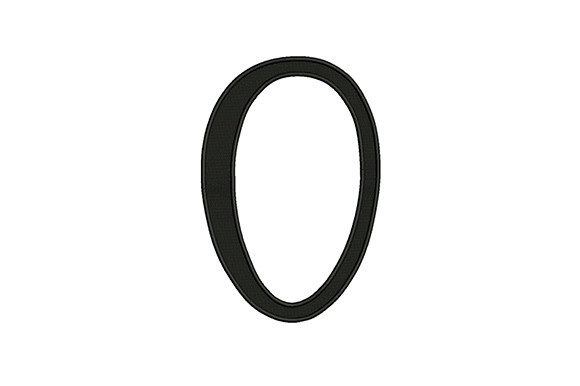
As an experienced embroidery designer who has spent years refining brand identity for small businesses, I approach every new digital file with a critical eye. The market is flooded with generic assets, but finding a versatile machine embroidery design that truly elevates small business merch is rare. Today, I am reviewing the design titled Number 0. At first glance, this simple yet striking design promises to be a staple for back-to-school projects, personalized gifts, and unique apparel. However, for a professional decorator or an Etsy seller looking to build a cohesive brand, simplicity must translate into quality execution. Let’s dive deep into how Number 0 performs when moved from the screen to real-world commercial applications.
First Impressions: Minimalism Meets Versatility
When I first loaded the digital embroidery file for Number 0, my immediate reaction was one of appreciation for its clean lines. In the world of custom apparel, less often means more. This design does not rely on excessive detailing or cluttered fills that can cause registration issues on older machines. Instead, it offers a bold, modern aesthetic that feels both friendly and professional. Whether you are branding a boutique bakery or outfitting staff at a creative studio, the visual personality of Number 0 suggests reliability and clarity.
The description highlights its use in School settings and home decor, but its true potential lies in its adaptability. For a handmade product line, a number like zero can represent a "starting point," a "version 1.0" launch, or simply a stylish numeric accent. It avoids the trap of looking too childish while remaining playful enough for event merchandise. This balance is crucial for maintaining a premium feel in your finished product.
Real-World Business Applications
For small business owners and apparel decorators, the question is never just "does it look good?" but rather "how does it perform on my products?" Here is how I envision Number 0 functioning across various commercial embroidery projects:
- Embroidered Patches: One of the most effective uses for this design is as a standalone embroidered patch. Because the shape is defined and self-contained, it works beautifully on denim jackets, tote bags, and backpacks. You can create a limited edition run of patches for a local café or a florist shop, offering them as exclusive customer rewards.
- Staff Uniforms and Aprons: In the hospitality industry, such as bakeries or coffee shops, apron embroidery needs to be durable and legible. Number 0 serves as an excellent chest logo accent or a sleeve detail. It adds a touch of branded professionalism without overwhelming the fabric.
- Cap Embroidery: Curved surfaces are challenging, but the geometric nature of the number 0 makes it ideal for cap embroidery. It sits well on the front panel or even on the side of a trucker hat, providing a subtle branding element that stands out against structured fabric.
- Tote Bag Design: As eco-friendly packaging becomes the norm, the tote bag design market is booming. Number 0 can be placed centrally or off-center to create a minimalist aesthetic that appeals to modern consumers shopping at boutiques or craft fairs.
- Product Packaging Accents: Beyond apparel, consider using this design on fabric labels or tags attached to handmade goods. It acts as a subtle signature, reinforcing your brand identity with every purchase.
Critical Considerations for Production
While Number 0 is versatile, it requires careful handling to ensure high-quality results. As a designer, I always advise clients to test before they commit to a full production run. Here are specific areas where caution is necessary:
Size and Stitch Density
One of the biggest risks with numeric designs is scaling them too small. If you attempt to use Number 0 on a tiny button or a narrow cuff, the stitch density may become too tight, leading to puckering or thread breakage. Always check the minimum recommended size in the file documentation. Conversely, if used on a large back-of-shirt application, ensure the outline stitches are thick enough to maintain visibility from a distance.
Fabric Texture and Stabilizer Use
The success of any commercial embroidery project depends heavily on the substrate. On textured fabrics like fleece, canvas, or heavy denim, the smooth curves of Number 0 might get lost if the wrong stabilizer is used. I strongly recommend testing the design on a scrap piece of your actual material first. For stretchy knits or delicate silks, a cutaway stabilizer is essential to prevent distortion during washing. Do not skip this step; the difference between a professional finish and a puckered mess often comes down to proper stabilization.
Thread Color Contrast
Because Number 0 is a simple shape, color choice is paramount. On dark uniforms, a white or light gray thread will pop, creating a crisp, high-contrast look. However, on lighter fabrics, avoid using pastel threads that might blend into the background. Experiment with metallic threads for a premium effect on holiday merchandise or event gear. Always review your thread colors under the lighting conditions where the final product will be displayed.
Impact on Brand Identity and Customer Trust
In the competitive landscape of handmade brands and Etsy sellers, consistency is key. Using a well-executed design like Number 0 across your design assets helps build visual consistency. When customers see the same clean, professional mark on your tote bags, staff aprons, and packaging, it reinforces trust. It signals that your business pays attention to detail and values quality.
Furthermore, a distinct numeric logo can become a recognizable symbol for your community. Imagine a local school club or a sports team wearing caps featuring Number 0. That shared visual language fosters a sense of belonging and engagement. For product designers, this kind of asset allows for rapid prototyping of new collections without the need for expensive custom vector work every time.
Designer Checklist Before Production
Before you finalize your order or start stitching, run through this practical checklist to ensure success:
- Test in Black and White: First, stitch a sample in black thread on white fabric. This reveals any gaps in the fill or issues with jump stitches that color might hide.
- Verify Hoop Size: Confirm that the design fits comfortably within your machine's hoop without crowding the edges. Check the file specifications to ensure you have the correct hoop size selected.
- Create a Mockup: Generate a printable mockup showing the design on your actual product. This is vital for client approval and helps visualize scale.
- Check Licensing: Ensure you have the appropriate commercial license for the embroidery file. While the description mentions versatility, always confirm the terms allow for resale on merchandise.
- Inspect Spacing: If combining Number 0 with text or other graphics, leave adequate spacing to prevent thread bleeding or design collision.
Final Verdict
The Number 0 machine embroidery design is a powerful tool for the savvy small business owner. Its simplicity allows it to transcend trends, making it suitable for everything from back-to-school essentials to high-end boutique labels. By paying attention to fabric texture, stabilizer choice, and proper scaling, you can transform this basic shape into a hallmark of your brand. Whether you are producing custom apparel for a team or crafting unique gifts for loyal customers, this design offers the flexibility and professionalism needed to stand out in a crowded market. Just remember to test thoroughly, respect the technical limits of your equipment, and let the quality of your stitching speak for itself.