Number 5: A Blackwork Embroidery Review for Craft Fairs
As an experienced embroidery designer who spends weekends setting up booths and selling handmade goods, I know that not every machine embroidery design translates well to a busy craft fair table. When I first opened the file for Number 5, my immediate goal was to determine if this simple blackwork pattern could become a best-selling craft fair product. The description promises versatility for apparel, home decor, and back-to-school crafts, but in the real world of retail, simplicity often wins over complexity. Here is my honest review of how Number 5 performs when turned into tangible goods.
First Impressions: Minimalist Appeal and Market Fit
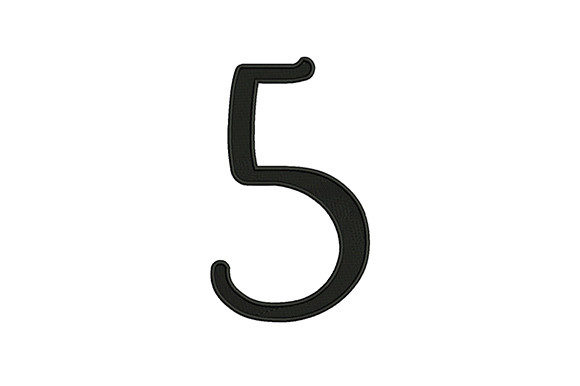
The first thing that strikes me about Number 5 is its clean, uncluttered aesthetic. In a sea of colorful, chaotic patterns, a stark blackwork number stands out as modern and sophisticated. It feels less like a novelty item and more like a premium handmade product. For the Etsy seller or boutique maker looking to elevate their brand, this design offers a "less is more" approach that appeals to customers seeking understated elegance. Whether you are targeting parents buying School supplies or adults looking for chic home accents, the minimalism of Number 5 allows the quality of your stitching to take center stage.
When I visualize this on a booth display, I see it working exceptionally well against neutral backgrounds. A cream-colored tote bag with a bold black Number 5 creates instant visual contrast that catches the eye from across the aisle. Unlike intricate floral designs that can get lost in photos, the geometric clarity of this embroidery file ensures that the product looks exactly as good in person as it does in a digital listing.
Product Applications: Where Number 5 Shines
Not all designs work on every surface, so let's break down where Number 5 delivers the highest return on investment for your production time.
Tote Bags and Market Accessories
This is arguably the strongest application for this design. A canvas tote bag design featuring Number 5 reads as a stylish statement piece rather than just a utility item. The flat surface of a tote bag accommodates the stitch density perfectly, ensuring the black thread pops without sinking into the weave. These bags are easy to stack at a booth, creating a visually appealing wall of products that invites customers to pick one up.
Kitchen Textiles: Aprons and Tea Towels
For home decor enthusiasts, apron embroidery and tea towel embroidery using Number 5 offer a farmhouse-chic vibe. Imagine a set of three tea towels, each numbered, creating a cohesive look for a kitchen collection. However, be mindful of the fabric texture. On a highly textured linen towel, the fine lines of blackwork might require a slightly larger scale to maintain legibility. If you are producing these for a weekend market, ensure the hemming is impeccable, as the simplicity of the design draws attention to the finishing details.
Patches and Caps
Embroidered patch applications are another winner here. The bold outline of the number makes it ideal for iron-on patches that can be sold individually or applied to denim jackets and backpacks. For caps, the curved surface requires careful consideration. While Number 5 is simple, placing it on the front panel of a cap demands precise hooping to prevent distortion. If done correctly, it becomes a trendy accessory for students or sports fans.
Small Pouches and Gift Items
Small fabric pouches make excellent low-cost impulse buys at a craft fair. Placing Number 5 on the flap of a makeup bag or pencil case adds a touch of personalization. Since the design is small, it works well as a focal point on these compact items without overwhelming them.
Production Realities: Stitch Density and Fabric Choices
While the design is simple, the execution must be flawless to command a premium price. As a designer reviewing this for batch production, I advise paying close attention to stitch density. Blackwork can sometimes appear too heavy if the fill is too dense, making the fabric stiff. Conversely, if it is too open, the background fabric may show through unevenly. You must test the embroidery file on scrap fabric first to find the perfect balance.
Fabric choice is critical. On dark fabrics, black thread will disappear unless you use a light underlay or a contrasting stabilizer, which complicates the process. For the easiest and most reliable results, stick to white, cream, beige, or pastel fabrics. This ensures the blackwork remains crisp and readable. Additionally, check the hoop size requirements before committing to a large run. If the design requires a hoop larger than your standard machine setup, it will slow down your production speed significantly.
Visual Clarity and Scaling
One risk with numeric designs is scaling them too small. If you attempt to shrink Number 5 for a tiny keychain or a small corner of a shirt, the details may blur. Always verify that the smallest version you plan to sell remains legible at arm's length. In a crowded market, customers need to understand what they are looking at within seconds. A blurry number looks like a mistake; a sharp number looks like art.
Marketing and Sales Strategy
To maximize sales, you need to present Number 5 as part of a lifestyle. Don't just hang the finished products; create scenes. Drape the embroidered apron over a wooden chair with fresh herbs nearby. Stuff the tote bag with books and place it next to a coffee cup. These printable mockup ideas translate directly to your physical booth layout.
For online sellers, high-quality photography is non-negotiable. Because the design relies on contrast, ensure your lighting highlights the texture of the thread against the fabric. Show close-ups of the stitching to prove the quality. Use terms like commercial embroidery and digital embroidery file in your listings if you are also selling the design itself, but focus on the finished product value for those buying the physical goods.
Designer Notes: Final Checklist Before Production
Before you cut the first yard of fabric for your small shop product line, follow these steps to ensure success:
- Test on Scrap Fabric: Run a sample on the exact material you intend to sell to check for puckering or thread tension issues.
- Check Thread Contrast: Ensure the black thread provides enough pop against your chosen fabric color.
- Review Spacing: Leave adequate room around the number for trimming and hemming without cutting into the design.
- Confirm Stabilizer: Use the right stabilizer to support the blackwork stitches, especially on stretchy knits or loose weaves.
- Create Real Mockups: Make at least one physical sample of each product type to photograph and display at your booth.
- Verify Licensing: Confirm your commercial license terms for the design assets before selling finished goods to avoid legal issues.
In conclusion, Number 5 is a versatile and strong contender for any Embroidery business looking to expand their catalog with timeless, minimalist pieces. Its simplicity allows it to fit into various niches, from School gear to home decor, while its bold nature ensures it captures attention in a competitive marketplace. By focusing on quality materials and thoughtful presentation, this design can become a staple in your collection and a favorite among your customers.