Ruler Geometric Scale: A Designer's Business Review
As a professional embroidery designer who has spent years translating digital files into tangible brand assets, I approach every new machine embroidery design with a critical eye. The question is never just "does it look good?" but rather, "will this elevate a small business's merchandise and withstand the rigors of commercial use?" Today, I am reviewing the Ruler Geometric Scale, a design marketed under the Back To School category. While the description suggests it is perfect for a child's pencil case or backpack, my focus here is on how this crisp, geometric motif can be leveraged by apparel decorators, Etsy sellers, and boutique owners to create premium small business merch.
First Impressions: Professionalism Meets Playful Geometry
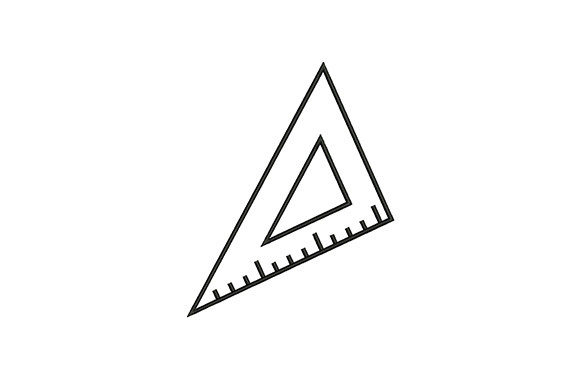
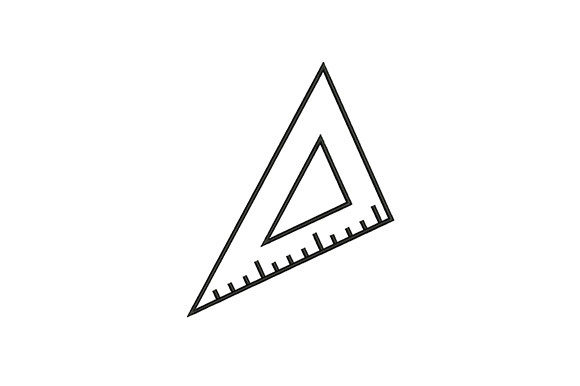
When I first loaded the digital embroidery file for the Ruler Geometric Scale, the visual impact was immediate. The design lives up to its name, offering a clean, structured aesthetic that feels both modern and timeless. It strikes a delicate balance between playful and professional. The geometric lines suggest precision and measurement, qualities that resonate well with brands in education, crafting, architecture, or even tech-focused startups.
For a handmade product line, this design exudes a sense of intentionality. Unlike overly ornate floral patterns that can sometimes feel dated, the Ruler Geometric Scale offers a sleek silhouette that fits comfortably within contemporary branding trends. It feels less like a temporary decoration and more like a permanent fixture of a brand's identity. Whether applied to a staff uniform or a customer gift, the design communicates that the business values accuracy and style.
Evaluating Real-World Business Applications
The true test of any embroidery file is its versatility across different substrates and products. Here is how I see the Ruler Geometric Scale performing in actual commercial scenarios:
- Branded Patches and Labels: This is where the design truly shines. The crisp lines make it an ideal candidate for an embroidered patch. A local bakery could use it as a sleeve detail on aprons, suggesting a "measured" approach to their recipes. Similarly, a creative studio might apply it to tote bags as a subtle logo accent, reinforcing a brand identity built on structure and creativity.
- Staff Uniforms and Apron Embroidery: For service industries, visibility and professionalism are key. Placing the Ruler Geometric Scale on the chest pocket of a work shirt or the bib of an apron adds a touch of sophistication without overwhelming the garment. It works particularly well on dark fabrics where high-contrast thread colors can make the geometry pop.
- Cap Embroidery and Headwear: While caps require careful consideration of size, the symmetrical nature of this ruler motif makes it suitable for a front panel placement. It avoids the clutter often seen in cap designs, offering a clean look for event staff or team members.
- Tote Bag Design and Merchandise: In the world of custom apparel, tote bags are essential marketing tools. The Ruler Geometric Scale provides a unique alternative to standard text logos. When placed centrally or near the bottom hem, it acts as a sophisticated stamp of quality for a boutique or florist.
- Product Packaging Accents: Beyond clothing, this design can be embroidered onto fabric tags or packaging inserts for handmade goods. It adds a tactile, premium feel that elevates the perceived value of the finished product.
Critical Considerations for Production
While the Ruler Geometric Scale is visually appealing, there are specific technical challenges you must address before committing to a large production run. As designers, we know that what looks perfect on a screen can behave differently under the needle.
Size and Detail Constraints
Geometric designs rely heavily on line weight and spacing. If you attempt to scale the Ruler Geometric Scale down too small for a tiny patch or a miniature cap logo, the intricate details may blur together. I strongly advise testing the design at your intended final size before mass production. Ensure that the smallest gaps between the geometric lines remain distinct after stitching. If the lines merge, the design loses its crisp character and becomes a muddy blob.
Fabric Texture and Stabilizer Use
The success of this design is heavily dependent on the fabric texture and the stabilizer used. On smooth cotton or twill, the ruler lines will stitch cleanly. However, on textured fabrics like heavy denim, fleece, or canvas, the needle may struggle to maintain straight lines. Always use a proper stabilizer—likely a cut-away for stretchy fabrics or a tear-away for stable wovens—to prevent puckering. Without adequate support, the tension required for sharp geometric lines can distort the garment.
Stitch Density and Thread Colors
Check the stitch density settings in your machine. Too dense, and the fabric may become stiff; too sparse, and the outline of the ruler may break. Additionally, thread colors play a crucial role. Because the design is geometric, high contrast is vital for readability. A light gray thread on a white shirt will vanish, whereas a bold navy or bright red will define the shape perfectly. Always review the color palette against your brand guidelines.
Impact on Brand Identity and Customer Trust
In the competitive landscape of commercial embroidery, every design choice impacts how customers perceive your business. Using a well-executed design like the Ruler Geometric Scale signals attention to detail. When a client receives a tote bag or wears a branded cap featuring this precise motif, they associate that level of craftsmanship with your brand.
This design helps build brand identity by providing a consistent visual element across various design assets. Whether it appears on a uniform, a promotional item, or a handmade label, the recurring geometric theme creates visual consistency. This repetition fosters recognition and trust. Customers begin to recognize the pattern as a symbol of your brand's reliability and quality. Furthermore, moving away from generic clip art to a custom-feeling geometric design enhances the handmade product presentation, allowing your business to stand out in crowded marketplaces like Etsy or local craft fairs.
Practical Steps Before You Stitch
Before integrating the Ruler Geometric Scale into your business workflow, follow these essential steps to ensure a successful outcome:
- Test in Black and White: Run a test stitch using a single black thread to check for registration issues, jumping threads, or unwanted pulls. This isolates the mechanical performance of the file.
- Verify Hoop Size: Confirm that the design fits within your available hoop size. If the design requires a larger hoop than you have, you may need to resize it, which could affect the integrity of the geometry.
- Create a Printable Mockup: Generate a printable mockup showing the design on your actual product. This allows for client approval and helps visualize the scale and placement before cutting any thread.
- Check Commercial Licensing: Ensure you have the right to use this digital embroidery file for commercial purposes. Many designs sold for personal use restrict resale on finished goods. Verify the license terms to protect your business.
- Compare with Other Assets: Place the Ruler Geometric Scale next to your existing logos and typography. Does it complement your current brand identity, or does it clash? Consistency is key.
The Ruler Geometric Scale is more than just a cute addition for school supplies; it is a versatile tool for building a cohesive and professional brand presence. By understanding its strengths and limitations, you can transform this simple geometric concept into a powerful asset for your small business merch and custom apparel lines. With careful planning and execution, this design will help your brand measure up to the highest standards of quality and style.